
Total Items
0

0 Item(s)
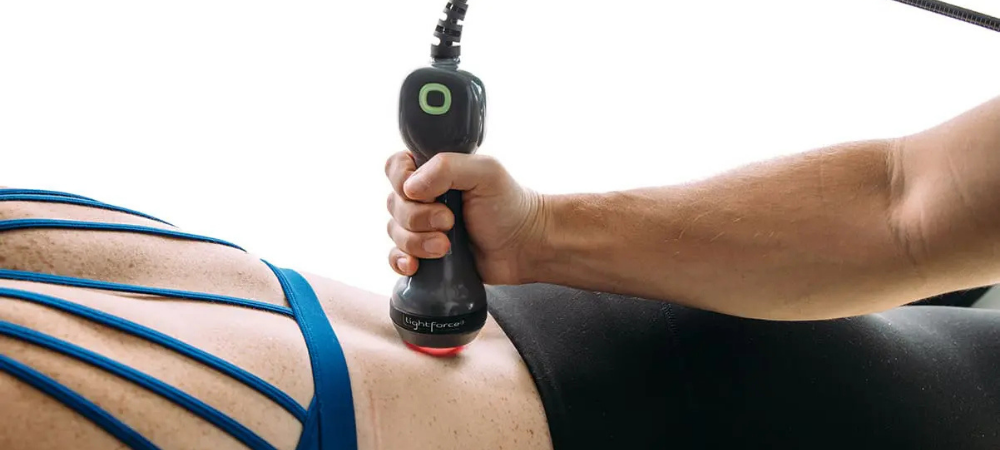
This review paper covers the current theory on basic mechanisms of laser therapy and discusses the effects of different dosing strategies. Cytochrome c is identified as the primary absorber of light in the near infrared leading to cellular changes related to ATP, NO and ROS levels. Different doses of laser therapy are shown to either stimulate or inhibit multiple metabolic and cell signaling pathways.
ORIGINAL STUDY: https://www.ncbi.nlm.nih.gov/pmc/articles/PMC2790317/ Published: Dose-Response. 2009; 7(4): 358–383. doi: 10.2203/dose-response.09-027.Hamblin
UPDATE: Update on review paper for bi-phasic dose response. Published: Dose-Response. 2011; 9: 602-618. doi: 10.2203/dose-response.11-009.11-009.Hamblin
This page summarizes Biphasic Dose Response in Low Level Light Therapy (Includes Update). The page links to the full study through its Read Full Study button. It was posted on Chattanooga Rehab on May 7, 2020, in the Laser Therapy category, tagged Dosage Near-infrared.
Chattanooga® is Enovis’ (NYSE: ENOV) signature rehabilitation brand, founded in 1947 in Chattanooga, Tennessee. Read more on the About Us page.
Researchers and clinicians who want a review of the basic mechanisms of laser therapy and of how different doses are described to act.
It summarizes one published item and is not a treatment protocol. This page summarizes a published study. The findings and conclusions belong to the study authors, and the summary is not a substitute for reading the full paper or for your own clinical judgment. Neither DJO, LLC nor any of the Enovis companies dispense medical advice.
A summary of the study titled Biphasic Dose Response in Low Level Light Therapy (Includes Update), posted on Chattanooga Rehab on May 7, 2020.
Researchers and clinicians who want a review of the basic mechanisms of laser therapy and of how different doses are described to act.
The review paper covers the current theory on basic mechanisms of laser therapy and discusses the effects of different dosing strategies.